

The History of New South Wales Heritage Plates
New South Wales “numeral-only” plates are the foundation of Australian motoring heritage.
First issued in 1910, these iconic black-and-white plates represent the original registration series of the state. More than a century later, they remain the most prestigious identifiers ever issued in NSW — finite in supply and unmatched in provenance.
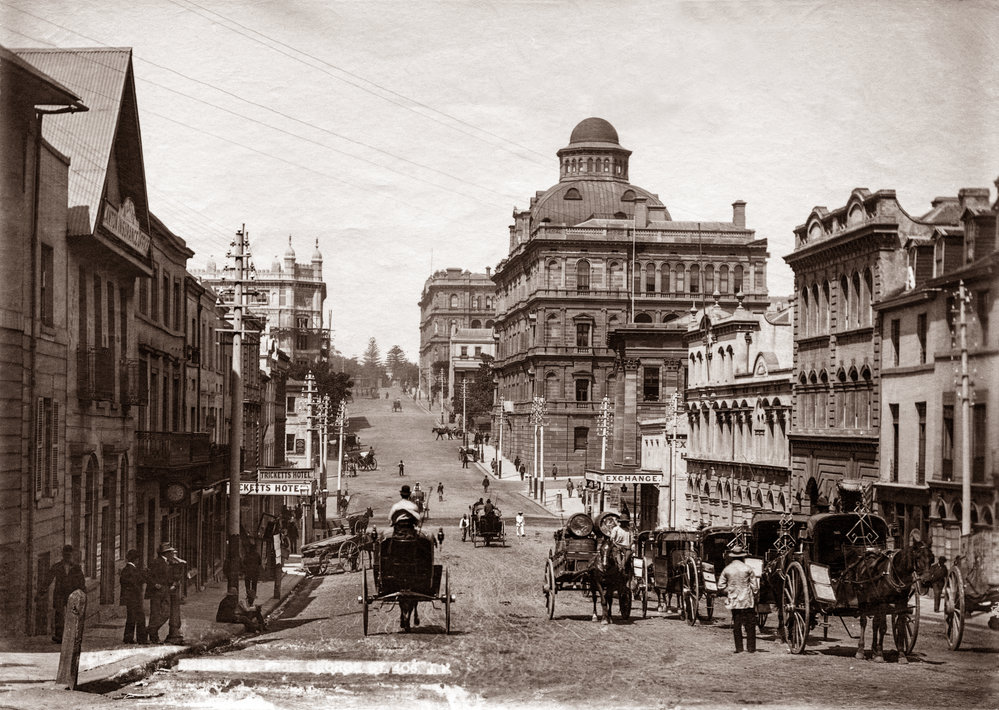
1909 – The Motor Traffic Act
The Motor Traffic Act 1909 (NSW) introduced compulsory vehicle registration and driver licensing for the first time.
This legislation formalised motor vehicles as regulated road users and laid the groundwork for a state-issued numbering system — marking the beginning of modern motoring administration in New South Wales.
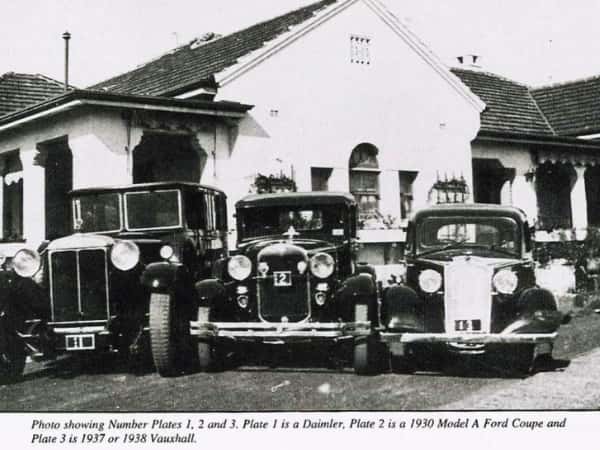
1910 – The Birth of the Numeric Series
In January 1910, NSW issued its first official registration plates.
The design was stark and unmistakable: white numerals on a black background.
Numbers were issued sequentially, beginning at “1”, creating what would become the most important plate series in Australian history.
These early plates were purely numeric — no letters, no prefixes — just a single uninterrupted numerical sequence.
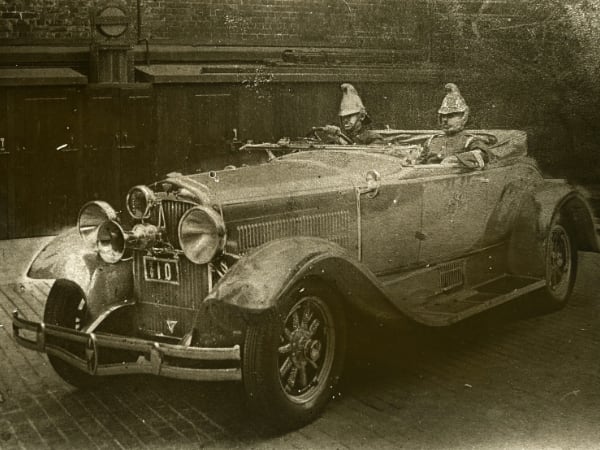
1920s–1930s – The NSW Identifier
As interstate travel increased, state identification became necessary.
The “NSW” abbreviation was incorporated into the plate format, formally anchoring the series to its issuing state. The visual identity remained consistent: black background, white numerals — a design that continues to define the category today.
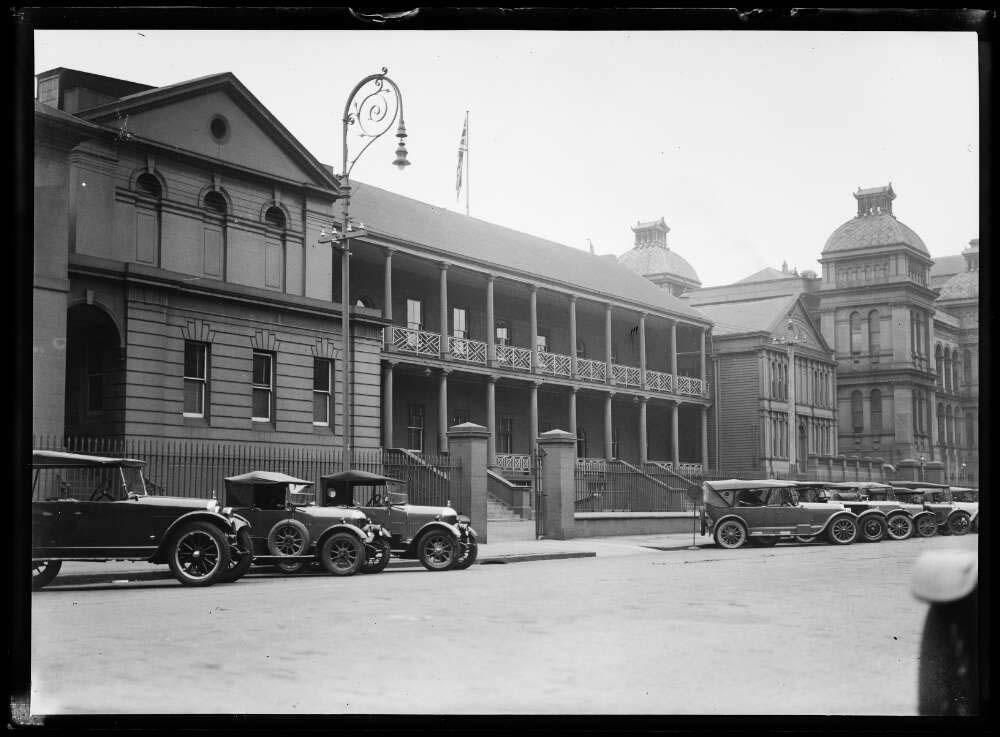
1937 – The Shift to Alphanumeric
By the mid-1930s, vehicle ownership had expanded rapidly and the numeric series had surpassed 200,000 issued plates.
In 1937, NSW transitioned to an alphanumeric format to accommodate growth.
No new all-numeric plates were issued beyond the existing sequence. The original numeric series was effectively closed — creating a permanently finite supply.
That administrative decision transformed what were once standard registration plates into a limited, non-replicable asset class.

1983 – The Great Plate Auction
In November 1983, the NSW Department of Motor Transport held a landmark public event: The Great Plate Auction.
For the first time, low-digit numeric plates were formally offered as tradable assets. The auction raised over $1.4 million — signalling the emergence of a structured collector market.
From that moment, NSW numeric plates were no longer merely historic registrations — they became recognised heritage assets.
Modern Benchmark Sales
Over the past decade, the market has accelerated significantly.
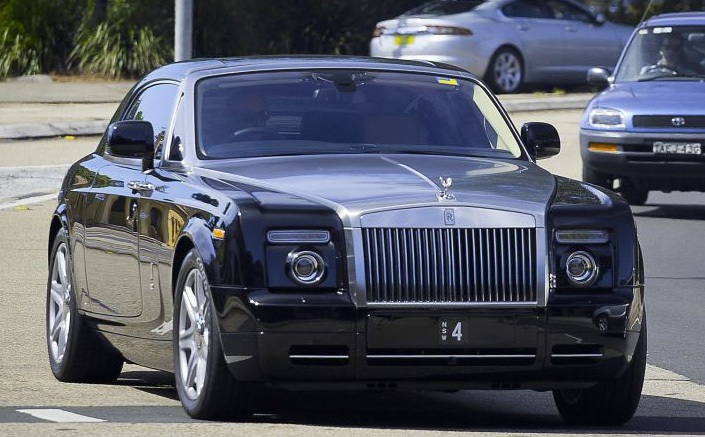
- NSW 4 sold in 2017 for approximately $2.45 million.
- NSW 1 returned to market in January 2024, achieving $11,505,000 under the hammer and $12,409,000 including buyer’s premium — the highest price ever paid for a number plate in Australia.
- Two-digit plates have also surged, with NSW 12 achieving $2.5 million in 2025, setting a national benchmark for the category.
These results confirm NSW Heritage plates as one of the most tightly held and high-performing collectible asset classes in the country.

Today – A Finite Asset Class
More than a century after their introduction, NSW numeric plates remain fixed in supply.
No new numeral-only plates can ever be created within the original series.
They are:
- Finite
- Transferable
- Historically significant
- Publicly recognisable
- Increasingly institutional in demand
They represent history you can drive — and legacy you can pass on.
Heritage Only
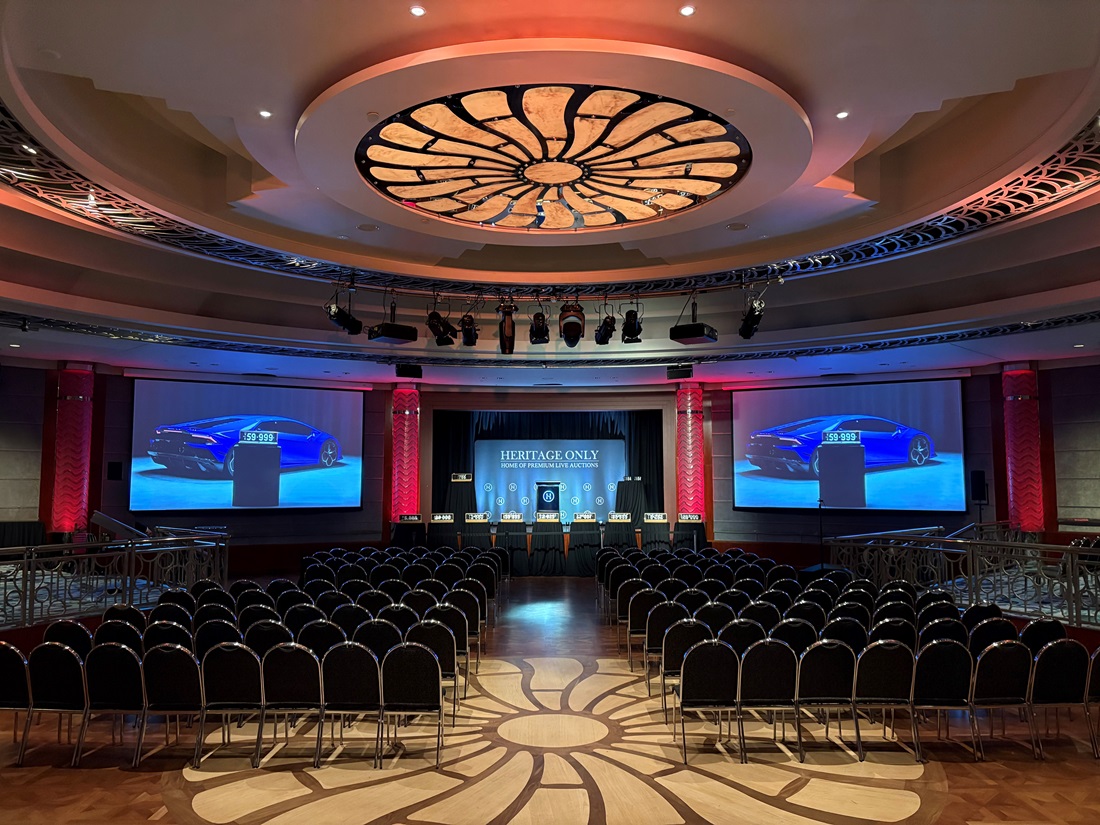
Heritage Only operates at the forefront of the NSW Heritage plate market.
Through curated auctions, private brokerage, and structured sales frameworks, we facilitate the transfer of these rare assets between collectors, investors, and custodians.
Our role is not merely transactional.
It is to preserve the integrity of the category, protect market confidence, and ensure these historic plates continue their legacy for the next generation.
