

The History of New South Wales Heritage Plates
New South Wales numeral-only plates are the foundation of Australian motoring heritage. First issued in 1910, these black-and-white plates form the State’s original registration series. More than a century on, they remain the most prestigious identifiers ever issued in New South Wales: finite in supply, unbroken in provenance, and among the most coveted automotive collectibles in the country.
1910: The First Registration Series
Registration became compulsory in New South Wales in January 1910, and the first plates were issued through the Traffic Superintendent’s Office of the NSW Police Department. Numbers were allocated in sequence from 1, and each plate was made in vitreous enamel, a method used until 1937. That craft gives surviving originals their depth and permanence.
The earliest plates carried black numerals on a white ground, with the State abbreviation introduced in 1912. In 1924 the scheme was reversed to white on black. Together, they define the black-and-white aesthetic collectors recognise today.
The Close of the Numeral-Only Era
By 1937, car registrations had run sequentially from 1 to almost 274,000. That year the series gave way to a two-letter, three-numeral format, still in black and white. The yellow-and-black three-letter series followed in 1951, and during that decade the original numeral-only plates were recalled.
The series has been closed ever since. The plates offered today are drawn from that original issue. The supply is fixed, and it cannot be expanded.
The Great Plate Auction of 1983
On 22 November 1983, the Department of Motor Transport offered a limited release of early plates at the Sydney Entertainment Centre. It was the first auction of its kind in Australia, and 6,000 people attended. For the first time, numeral-only plates could lawfully be advertised and traded. The modern collector market began that evening.
Why NSW Heritage Plates Are So Rare
Numeral-only plates are managed by Transport for NSW and can be acquired only at TfNSW auctions or by private sale. Many have remained within the same families for generations, surfacing rarely and on their own terms.
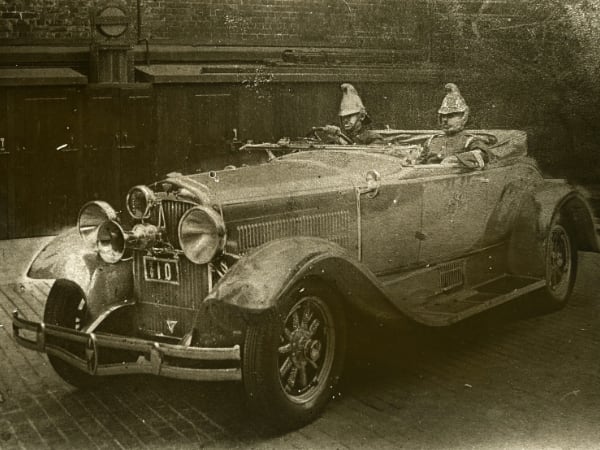
Some have never left their original custodians. Plate 10 has been carried by the head of the NSW Fire Brigades since 1910, the only NSW plate to remain with one organisation since plates were introduced, and it is listed on the State Heritage Register.
Across the category, lower-numbered plates, distinctive numeric patterns and documented provenance command the strongest interest.
Collecting NSW Heritage Plates Today
Heritage Only presents NSW numeral-only heritage plates in association with Transport for NSW, through live auctions at Crown Sydney, private brokerage and structured sale frameworks. Every transaction is managed end to end, from market appraisal through to settlement and transfer.
Frequently Asked Questions
What is a NSW numeral-only plate?
A plate from the original New South Wales registration series of 1910 to 1937, carrying numerals only.
Are heritage, numeral-only and black-and-white plates the same thing?
Yes. All three describe the original New South Wales registration series of 1910 to 1937. “Numeral-only” is the term used by Transport for NSW; collectors often refer to them as heritage or black-and-white plates.
When were NSW heritage plates first issued?
In January 1910, when vehicle registration became compulsory in New South Wales.
How can I buy a NSW heritage number plate?
Numeral-only plates are available only at Transport for NSW auctions or by private sale. Heritage Only offers both, in association with Transport for NSW.
Can I sell my NSW heritage plate?
Yes. Privately held plates may be consigned to auction or offered through private brokerage. Every consignment begins with a market appraisal.
How is ownership transferred after the sale?
Heritage Only manages settlement and transfer end to end. NSW plates are collected in person from the Service NSW office in Chatswood.
What determines a plate’s value?
The number of digits, the numeric pattern, provenance, and the strength of the room on the night. Heritage Only provides market appraisals on request.
Do NSW heritage plates hold their value?
The supply is fixed, and demand has proven enduring. As with any collectible, values move with the market; a market appraisal reflects conditions at the time.
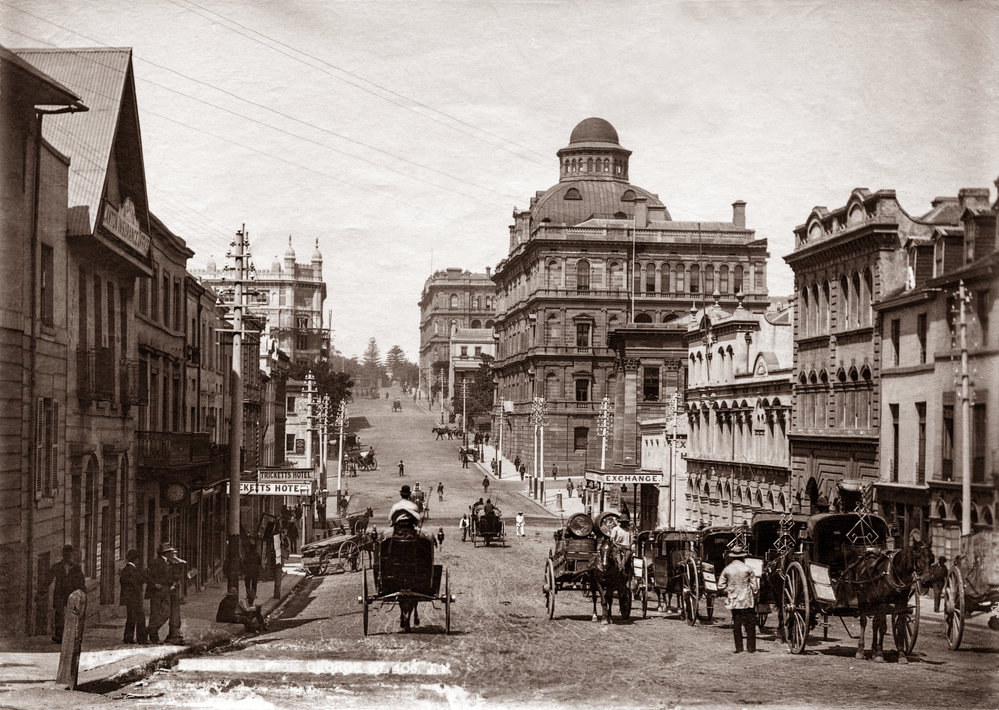
1909 – The Motor Traffic Act
The Motor Traffic Act 1909 (NSW) introduced compulsory vehicle registration and driver licensing for the first time.
This legislation formalised motor vehicles as regulated road users and laid the groundwork for a state-issued numbering system — marking the beginning of modern motoring administration in New South Wales.
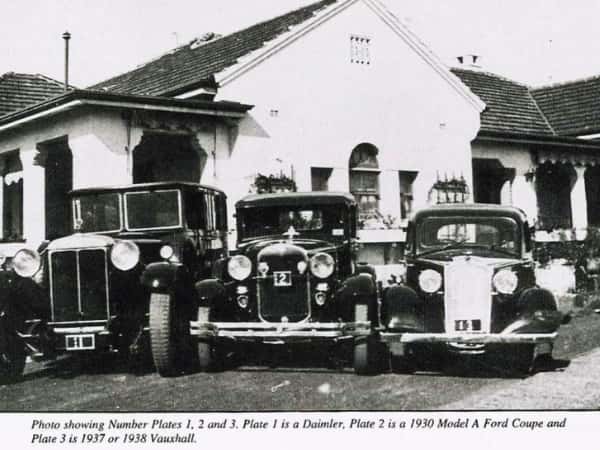
1910 – The Birth of the Numeric Series
In January 1910, NSW issued its first official registration plates.
The design was stark and unmistakable: white numerals on a black background.
Numbers were issued sequentially, beginning at “1”, creating what would become the most important plate series in Australian history.
These early plates were purely numeric — no letters, no prefixes — just a single uninterrupted numerical sequence.
1920s–1930s – The NSW Identifier
As interstate travel increased, state identification became necessary.
The “NSW” abbreviation was incorporated into the plate format, formally anchoring the series to its issuing state. The visual identity remained consistent: black background, white numerals — a design that continues to define the category today.
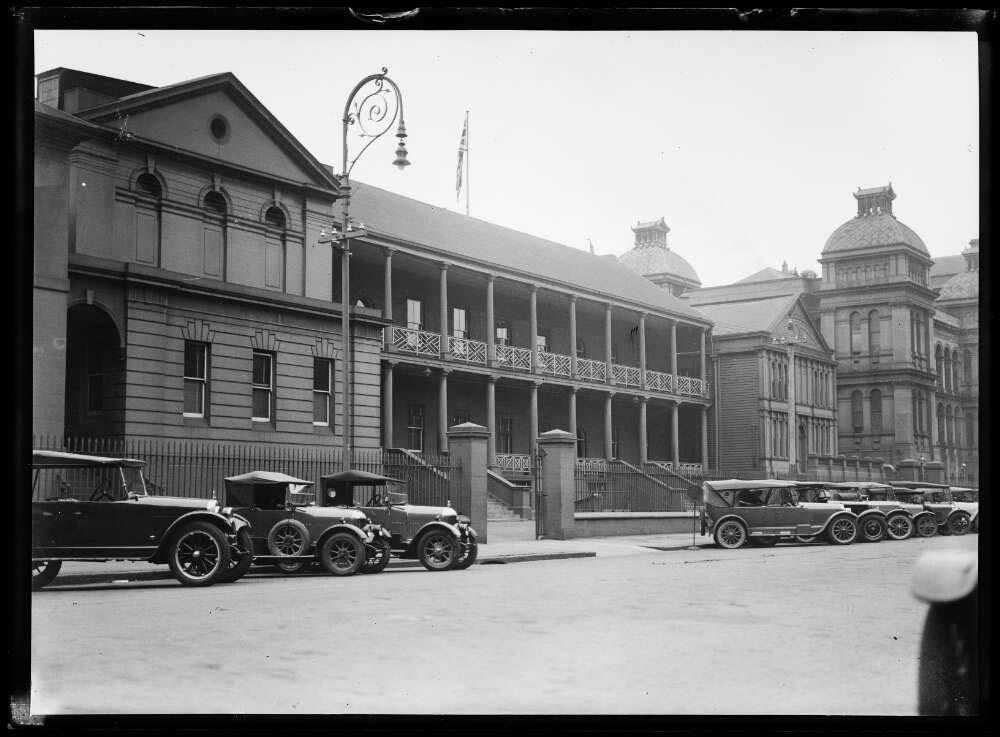
1937 – The Shift to Alphanumeric
By the mid-1930s, vehicle ownership had expanded rapidly and the numeric series had surpassed 200,000 issued plates.
In 1937, NSW transitioned to an alphanumeric format to accommodate growth.
No new all-numeric plates were issued beyond the existing sequence. The original numeric series was effectively closed — creating a permanently finite supply.
That administrative decision transformed what were once standard registration plates into a limited, non-replicable asset class.

1983 – The Great Plate Auction
In November 1983, the NSW Department of Motor Transport held a landmark public event: The Great Plate Auction.
For the first time, low-digit numeric plates were formally offered as tradable assets. The auction raised over $1.4 million — signalling the emergence of a structured collector market.
From that moment, NSW numeric plates were no longer merely historic registrations — they became recognised heritage assets.
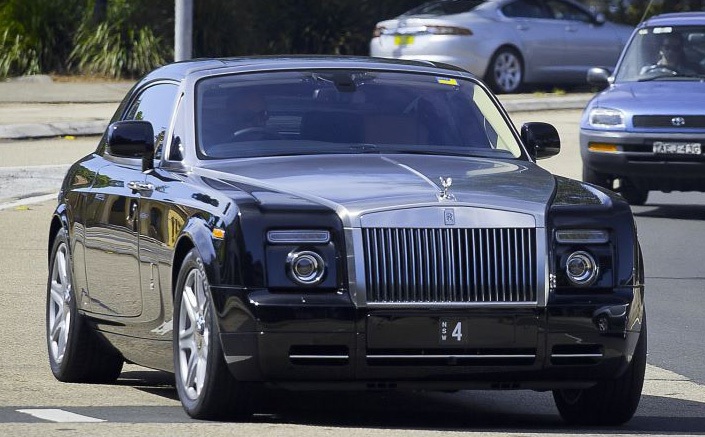
Modern Benchmark Sales
Over the past decade, the market has accelerated significantly.
- NSW 4 sold in 2017 for approximately $2.45 million.
- NSW 1 returned to market in January 2024, achieving $11,505,000 under the hammer and $12,409,000 including buyer’s premium — the highest price ever paid for a number plate in Australia.
- Two-digit plates have also surged, with NSW 12 achieving $2.5 million in 2025, setting a national benchmark for the category.
These results confirm NSW Heritage plates as one of the most tightly held and high-performing collectible asset classes in the country.

Today – A Finite Asset Class
More than a century after their introduction, NSW numeric plates remain fixed in supply.
No new numeral-only plates can ever be created within the original series.
They are:
- Finite
- Transferable
- Historically significant
- Publicly recognisable
- Increasingly institutional in demand
They represent history you can drive — and legacy you can pass on.
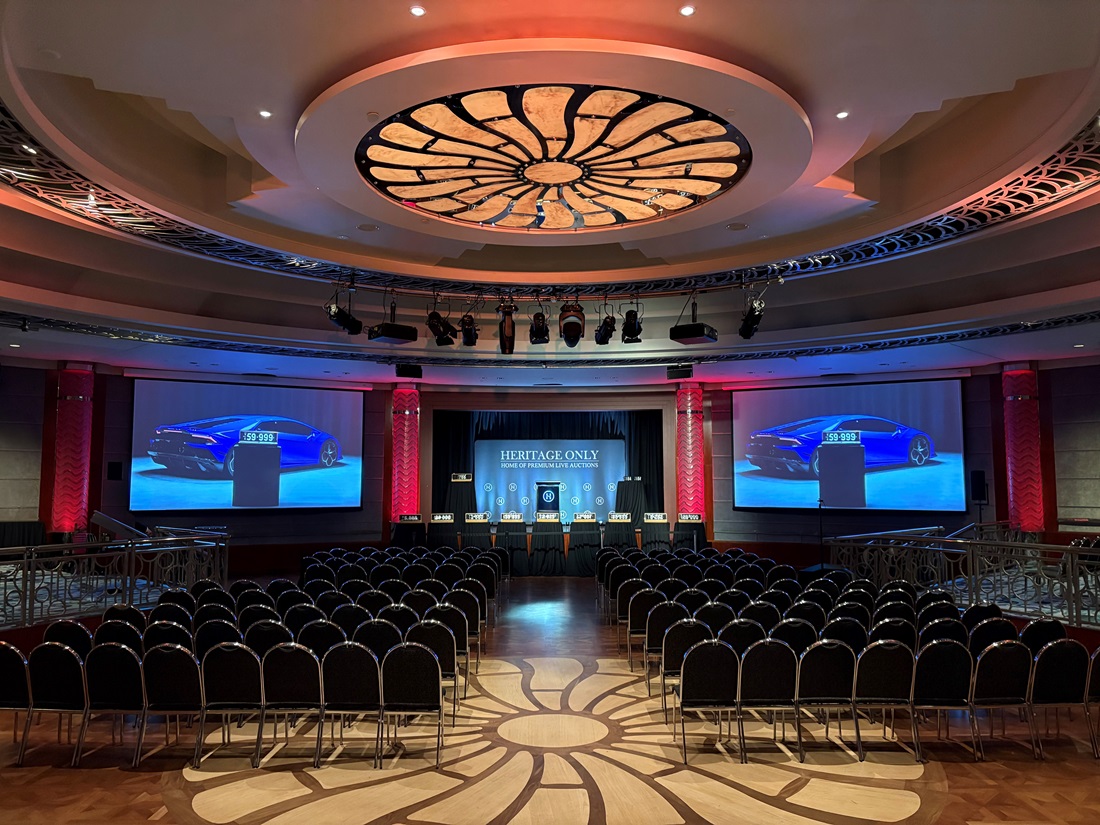
Heritage Only
Operating in association with Transport for NSW, Heritage Only stands at the forefront of the State’s numeral-only heritage plate market.
Through curated auctions, private brokerage and structured sale frameworks, we oversee the transfer of these rare assets between collectors, investors and custodians.
Our role extends beyond the transaction.
It is to preserve the integrity of the category, uphold market confidence, and ensure each historic plate carries its legacy to the next generation.
